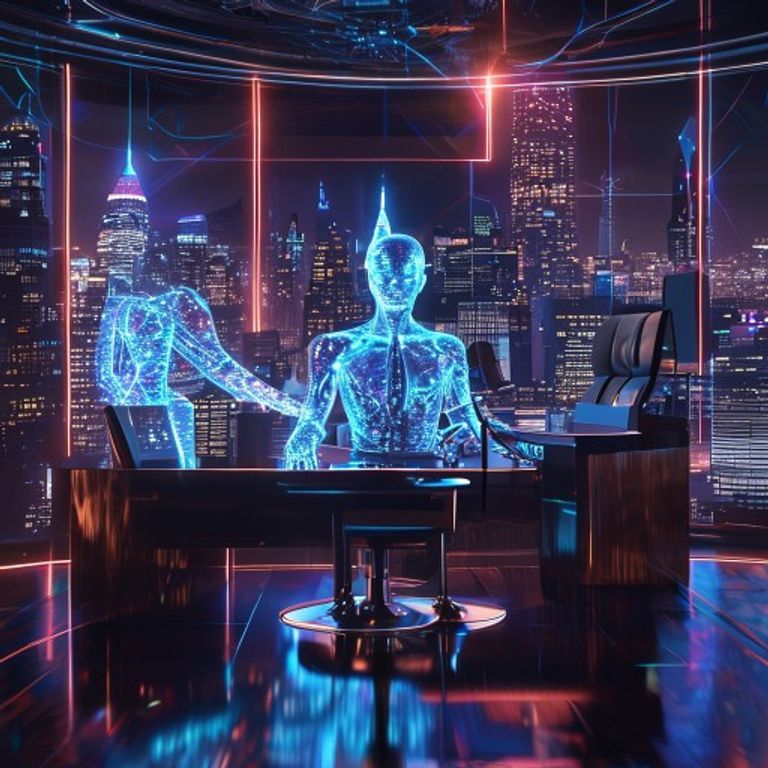

Introduction: A New Era for Media Powerhouses
In the high-stakes world of late-night television, competition is usually the name of the game. For decades, the giants of the 11:30 PM slot—Stephen Colbert, Jimmy Fallon, Jimmy Kimmel, Seth Meyers, and John Oliver—vied for ratings, viral clips, and the prestige of the monologue. However, a seismic shift occurred when these industry titans decided to put aside their rivalries to form an unexpected alliance known as “Strike Force Five.”
What began as a localized response to the 2023 Writers Guild of America (WGA) strike has blossomed into a case study for the future of digital media. By bypassing traditional network gatekeepers and launching a direct-to-consumer podcast, these hosts didn’t just keep their creative engines running; they fundamentally altered the blueprint for content distribution and celebrity-led media ventures in the 21st century.
This move signaled a broader trend: the decentralization of professional media. As audiences migrate from linear television to on-demand digital platforms, the success of Strike Force Five demonstrates that the talent—not the network—holds the ultimate leverage. Today, we look at how this collective effort is continuing to influence how we consume entertainment and what it means for the integration of technology in the creative arts.
Why It Is Trending: The Legacy of Decentralization
Strike Force Five is currently trending because it serves as a masterclass in modern brand agility. Industry analysts and media critics are revisiting the project as a precursor to the current “creator-led” economy. While independent YouTubers have been doing this for years, seeing legacy media figures adopt the same strategy was a “lightbulb moment” for Hollywood.
The project is also trending due to the ongoing conversations regarding labor and automation in media. With the rise of Generative AI tools from companies like OpenAI and Google, the creative community is looking for ways to protect the “human element” of storytelling. Strike Force Five proved that the chemistry and spontaneity of human interaction remain the most valuable assets in the entertainment market.
Furthermore, the financial model of the podcast—which was sponsored by major brands like Mint Mobile and Diageo—showed that high-production-value content could be monetized outside the traditional ad-buy structure of network television. This has sparked a new wave of celebrity-owned media startups that prioritize ownership and direct audience engagement over licensing deals.
The Role of AI in the Creative Landscape
As we analyze the success of collective media projects, we cannot ignore the technological backdrop. The same tensions that led to the formation of Strike Force Five are now being addressed through the lens of artificial intelligence. Many creators are now utilizing large language models (LLMs) to streamline the more tedious aspects of production, such as transcriptions or early-stage brainstorming.
For instance, tools developed by Anthropic and Microsoft are increasingly being integrated into digital workflows to help producers manage large volumes of content. While the late-night hosts emphasized the importance of the writer’s room, the industry is moving toward a hybrid model where AI handles the data-heavy lifting, allowing human creators to focus on the nuance and satire that Strike Force Five delivered so effectively.
The debate isn’t about replacing the talent; it’s about augmenting the reach. Imagine a world where a collective like Strike Force Five uses NVIDIA-powered rendering tools to create high-quality visual companions to their audio podcasts in real-time. This is the direction digital media is heading—a fusion of elite human creativity and cutting-edge technical infrastructure.
Key Details and Insights
- Collaboration Over Competition: The project broke the “silo” mentality of major networks like NBC, CBS, and ABC, proving that cross-platform collaboration can expand an audience rather than cannibalize it.
- Direct Revenue Streams: By utilizing platforms like Spotify and Apple Podcasts, the group tapped into a global audience without the geographical limitations of broadcast TV.
- Support for the Ecosystem: A primary driver for the podcast was supporting out-of-work staff, highlighting a shift toward “socially conscious” media consumption where fans support projects with a clear ethical mission.
- Agile Production: The ability to launch a chart-topping podcast in a matter of weeks showed that massive production crews aren’t always necessary to achieve high-quality results in the digital age.
Bypassing the Gatekeepers: A New Roadmap
The traditional media model relies on a top-down approach: a network greenlights a show, sells the ads, and owns the IP. Strike Force Five flipped the script. While the hosts still have their day jobs, the podcast was a proof-of-concept for an “emergency exit” from the traditional system. If the networks weren’t available, the talent could simply build their own stage.
This has massive implications for the future of journalism, comedy, and even sports broadcasting. We are seeing more “super-groups” forming in the digital space—experts in their fields coming together to form independent hubs. The barrier to entry has never been lower, but the barrier to relevance remains high. Strike Force Five succeeded because it combined established trust with a modern distribution format.
The Future of Digital Media Production
Looking ahead, we expect to see more “pop-up” media ventures. As technology continues to evolve, the cost of production continues to drop. With the integration of high-end consumer tech and sophisticated software from Meta (especially in the realm of virtual studios), the “Late Night” experience could soon move into the metaverse or highly interactive 360-degree digital environments.
The “Strike Force” model also provides a template for managing crisis. Whether it is a labor strike, a global pandemic, or a shift in market demand, the ability to pivot to a digital-first, collaborative environment is the ultimate insurance policy for modern creators.
Final Thoughts
Strike Force Five was more than just a temporary solution to a labor dispute; it was a glimpse into a future where content is more collaborative, more direct, and more resilient. By leveraging their collective power, Colbert, Fallon, Kimmel, Meyers, and Oliver showed that the future of digital media isn’t just about the technology we use—like AI or high-speed streaming—but about the human connection that technology facilitates.
As we move deeper into this decade, the lessons learned from this venture will likely influence how new shows are developed and how veteran creators manage their personal brands. In a world where the only constant is change, Strike Force Five proved that even the biggest stars need a digital-first mindset to stay ahead of the curve.
FAQ: Frequently Asked Questions
What was the main purpose of Strike Force Five?
The podcast was created during the 2023 WGA strike to raise funds for the out-of-work production staffs of the five major late-night talk shows. It also served as a way for the hosts to remain connected with their audiences while their shows were off the air.
Will Strike Force Five return for a second season?
While the original run was intended as a limited series during the strike, the overwhelming success has led to rumors of potential “special event” episodes. However, no permanent second season has been officially announced as the hosts have returned to their respective networks.
How did Strike Force Five change the podcasting industry?
It demonstrated that “A-list” traditional media talent can successfully transition to a podcasting format almost overnight. This has encouraged advertisers to shift more budget toward independent or limited-run digital series featuring high-profile personalities.