
Luxury is no longer a walled garden; it is a mosh pit.
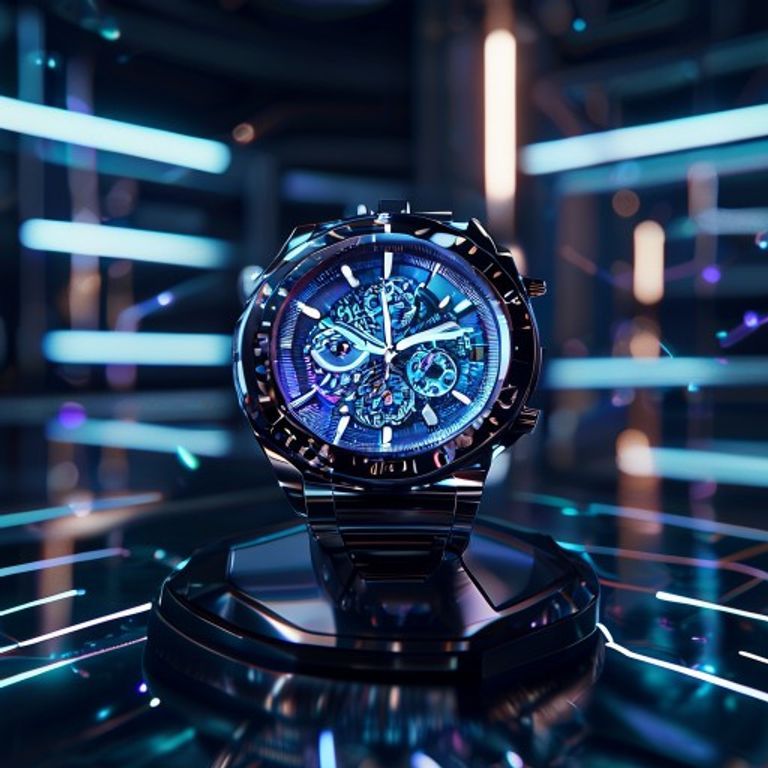
The velvet rope just snapped. Overnight, the horological world shifted on its axis as the Swatch x Audemars Piguet “Royal Pop” hit the pavement, turning the high-altitude prestige of the Royal Oak into a $400 Bioceramic frenzy. We are witnessing the ultimate stress test of brand elasticity, where a timepiece typically reserved for the one percent is now being sold alongside plastic battery-operated chronographs.
This isn’t just a product launch; it is a calculated demolition of traditional luxury barriers. For decades, the Royal Oak was the “unobtainable” icon, a steel octagonal fortress that required years of “relationship building” with authorized dealers just for the privilege of spending $50,000. Now, that same silhouette is available for the price of a mid-range smartphone, sparking a secondary market gold rush that mirrors the most aggressive high-frequency trading bots in the tech sector.
The lines began forming seventy-two hours before the shutters opened. In Tokyo, London, and New York, the demographics told the real story: Gen Z hypebeasts standing shoulder-to-shoulder with disgruntled collectors who fear their five-figure investments just became “common.” Swatch Group is playing a dangerous game of democratic disruption, betting that volume will outweigh the potential dilution of the Audemars Piguet name.
The BioCeramic Gamble: Why AP Risked Its Octagonal Soul
The “Royal Pop” utilizes the same proprietary Bioceramic material seen in previous collaborations with Omega and Blancpain. It is a mix of two-thirds ceramic and one-third castor oil-derived plastic, offering a lightweight, matte finish that feels alien compared to the cold, industrial weight of 316L stainless steel. Critics call it a toy; Swatch calls it the future of accessible engineering.
From a strategic standpoint, Audemars Piguet is looking at the long tail of brand loyalty. By hooking a younger audience now, they are effectively seeding the ground for the next decade of direct-to-consumer luxury models. They are banking on the idea that the “Royal Pop” acts as a gateway drug—a taste of the aesthetic that eventually leads a consumer to hunt for the mechanical “Grand Complication” versions in the future.
However, the technical trade-offs are glaring. Inside the 41mm case sits a quartz movement, a far cry from the hand-finished calibers that make AP a pillar of the “Holy Trinity.” Purists argue that the soul of the watch is its movement, and by stripping that away, Swatch has essentially sold a hollowed-out monument to consumerism. Yet, the sales figures suggest that the “soul” of a product is less important to the modern buyer than the social currency of the silhouette.
Algorithmic Scalping and the Death of the Retail Experience
The chaos surrounding the drop wasn’t limited to physical storefronts. Within minutes of the first units leaving the stores, the decentralized luxury marketplaces were flooded with listings. Prices on secondary platforms spiked to $1,800 instantly, a 350% markup that highlights the toxic relationship between scarcity and demand.
This market behavior is no longer unique to watches; it is a symptom of a broader “drop culture” economy seen in GPU releases and limited-edition sneakers. Professional resellers used algorithmic scalp bots to monitor store inventory levels and coordinate group buys, effectively locking out the casual enthusiast. This creates a friction-filled environment where the brand loses control over the customer journey the moment the credit card is swiped.
If luxury is defined by the experience, then the “Royal Pop” launch was a failure. If luxury is defined by hype and resale value, it was a masterclass. The friction between these two definitions is causing a schism in the industry, forcing legacy houses to reconsider their omnichannel retail strategies to prevent their products from becoming mere gambling chips for flippers.
The Economic Aftershock: Brand Dilution or Market Evolution?
We are entering an era of “masstige”—mass-market prestige—where the lines between high-art and commodity are permanently blurred. This movement follows the path of generative AI frameworks, which have democratized creative output to the point where “exclusive” talent is being challenged by accessible tools. In the same way, the Royal Pop challenges the “exclusive” nature of design.
The real risk isn’t for Swatch, which is seeing record-breaking foot traffic. The risk lies with Audemars Piguet. If everyone on the subway is wearing an octagonal watch that looks like a Royal Oak, does the original still command the same level of awe? History suggests that the “MoonSwatch” actually boosted sales for the original Omega Speedmaster, but the Royal Oak is a different beast—it relies more heavily on its status as a gatekeeper of wealth.
Wall Street is watching closely. Swatch Group’s stock has shown resilience as they pivot toward these high-margin, low-production-cost collaborations. They have effectively found a way to monetize the intellectual property of their most expensive brands without needing to scale up complex mechanical production. It is a software-style scaling model applied to the hardware of horology.
Security Concerns and the High Stakes of the Hype Cycle
With massive crowds comes massive risk. Reports of scuffles and “store-door robberies” have surfaced, leading some municipalities to demand that Swatch move future drops to an online-only lottery system. This mirrors the security anxieties faced by tech giants during flagship phone launches or the early days of the crypto-mining boom when hardware was treated like contraband.
Beyond physical security, there is the issue of biometric authentication for luxury goods. Some high-end manufacturers are now experimenting with NFC chips embedded in the watch case to prove authenticity on a distributed ledger technology. While the $400 Royal Pop doesn’t feature this tech yet, the sheer volume of “super-clones” and fakes hitting the market after this drop makes a strong case for its implementation.
The “Royal Pop” isn’t just a watch. It’s a barometer for where society is headed—a place where the image of success is more accessible than success itself. Whether this leads to a permanent devaluation of the “Holy Trinity” or acts as a brilliant marketing funnel remains to be seen. One thing is certain: the octagon is now for the people, and there is no going back.
Frequently Asked Questions
Is the Swatch x Audemars Piguet Royal Pop a limited edition?
While Swatch has not officially labeled it a limited edition, production is managed in “waves,” leading to artificial scarcity. Most boutiques receive limited stock per day, fueling the hype and high resale prices on the secondary market.
Does the Royal Pop use a mechanical movement like the original Royal Oak?
No, the Royal Pop utilizes a high-accuracy quartz movement to keep the price point at $400. This is the primary differentiator between the Swatch collaboration and the five-figure mechanical masterpieces from Audemars Piguet.
Can I buy the Swatch x AP Royal Pop online?
Currently, the collection is sold exclusively in select physical Swatch stores. This strategy is intended to drive foot traffic and maintain the “event” status of the launch, though it has led to significant issues with resellers and long queues.