Millions Converge on the USA for FIFA World Cup Knockouts and the Historic 250th Birthday Celebration
The energy across the North American continent has reached a fever pitch as the calendar turns toward the end of June 2026. Right now, the USA is sitting at the epicenter of a global cultural earthquake, driven by a rare alignment of the world’s most watched sporting event and a once-in-a-generation national milestone. With the FIFA World Cup moving into the high-stakes knockout rounds and the 250th anniversary of American independence just days away, the nation is experiencing a tourism surge unlike anything seen in modern history.
From the fan festivals in Seattle to the historic cobblestones of Philadelphia, the atmosphere is electric. Millions of international visitors have touched down in major hubs, filling hotels to capacity and transforming city centers into multilingual hubs of celebration. This isn’t just about soccer, and it isn’t just about a holiday; it is the culmination of years of planning for a summer that defines the USA as the primary destination for 2026.
The convergence of these two massive events has created a unique logistical challenge and a brilliant display of soft power. As the “America250” celebrations ramp up, the world is watching to see how the host nation handles the dual responsibility of securing a massive sports tournament while hosting the largest birthday party in its history.
The FIFA World Cup Knockout Stage: A New Level of Intensity
As of late June, the group stages have concluded, leaving a trail of dramatic upsets and broken brackets in their wake. The 2026 tournament, the first to feature 48 teams, has turned the USA into a massive stage for high-drama athletics. With the Round of 16 and Quarter-finals currently underway, the tension in host cities has shifted from festive curiosity to do-or-die passion.
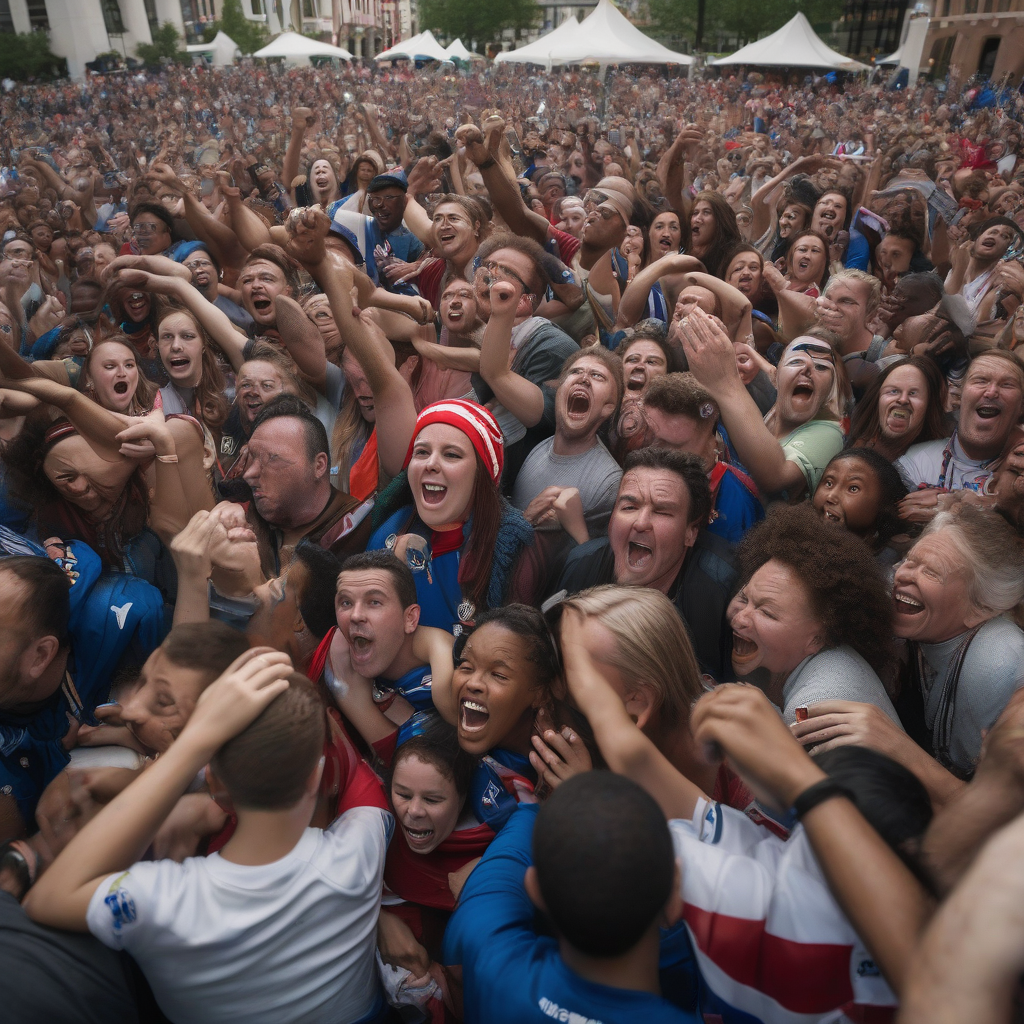
Fan zones in cities like Atlanta, Dallas, and Los Angeles are seeing record-breaking attendance. Unlike previous tournaments, the geographical spread of the host cities means that fans are crisscrossing the country in a massive migration. This movement has put a spotlight on the nation’s transit infrastructure, with airlines and rail services adding extra capacity to keep up with the demand from supporters following their national teams.
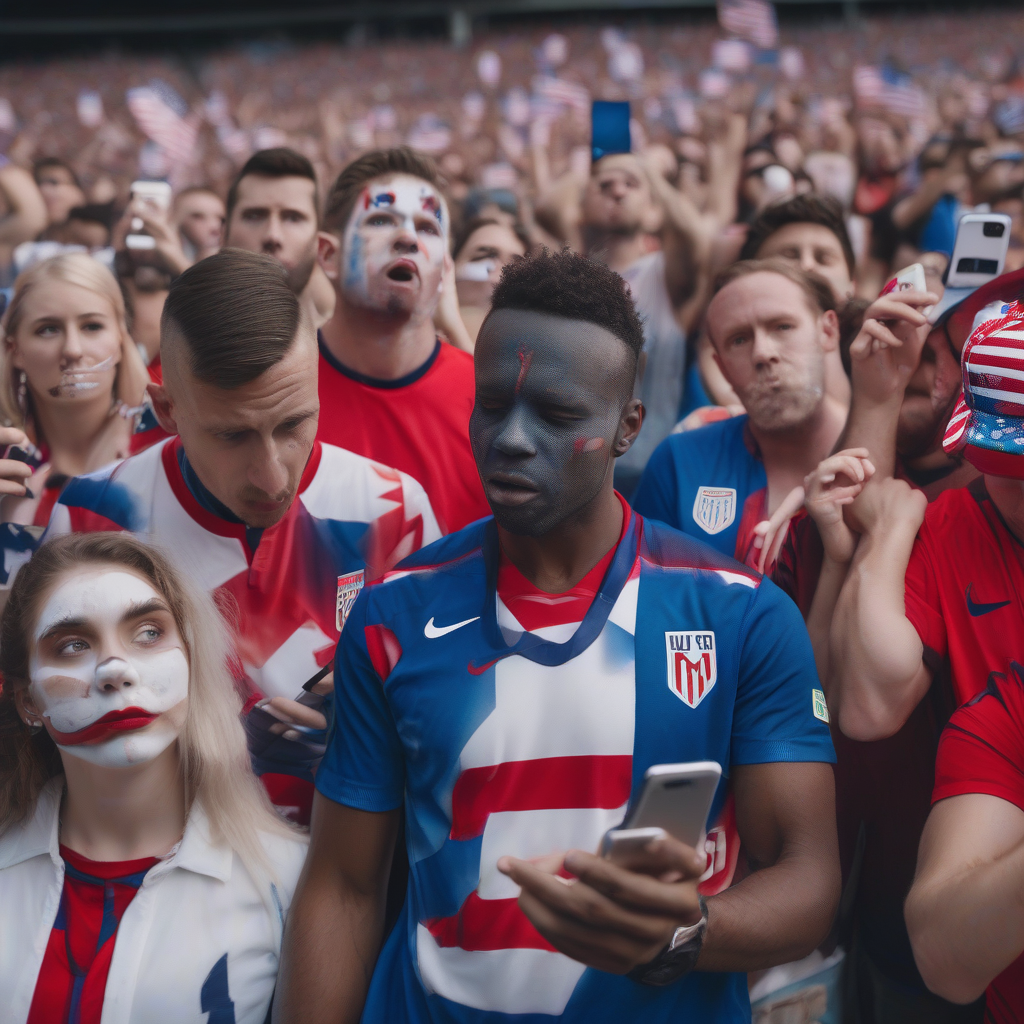
The performance of the home team has also added fuel to the fire. Domestic interest in “soccer” has hit an all-time high, with television ratings dwarfing previous records. This homegrown enthusiasm is clashing beautifully with the traveling fanbases from Europe, South America, and Africa, creating a melting pot of chants, colors, and cultures in every stadium.
America250: Celebrating Two and a Half Centuries of History
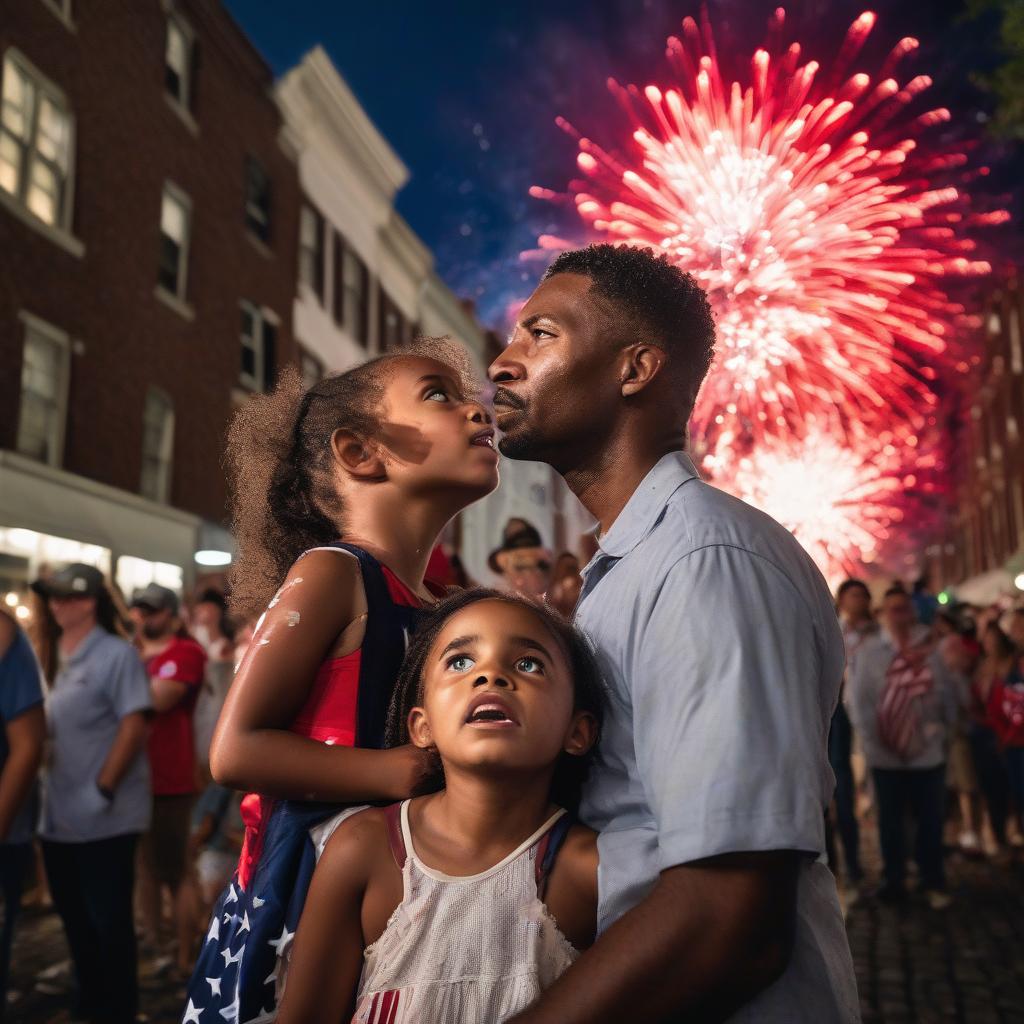
While the World Cup provides the daily adrenaline, the upcoming July 4th “Semiquincentennial” provides the historical weight. The 250th anniversary of the signing of the Declaration of Independence is more than just a day of fireworks this year; it is a multi-city festival of democracy and culture. For many international visitors, the timing is a lucky coincidence that allows them to experience the USA at its most patriotic and reflective.
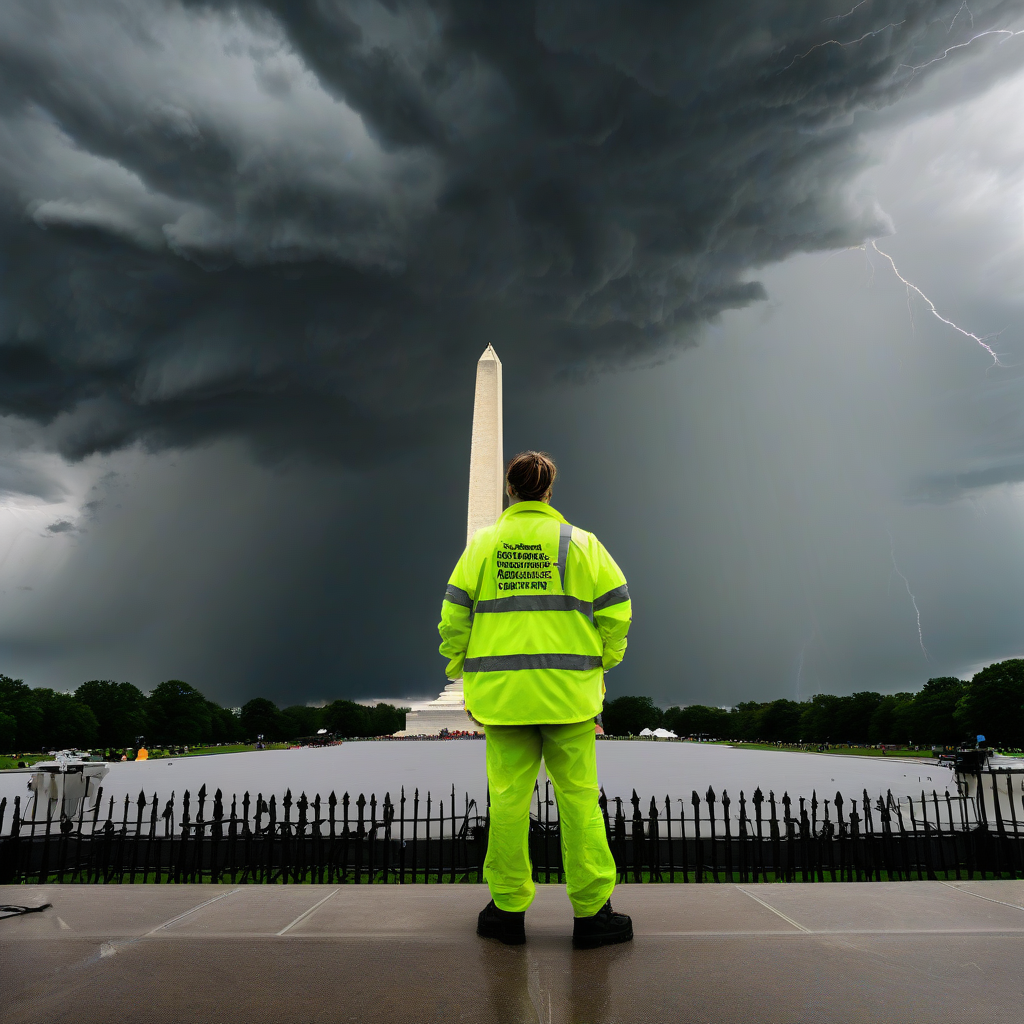
Philadelphia, the birthplace of the nation, is currently the heart of the “America250” movement. The city has prepared for years to host “Sail250,” a massive parade of tall ships, alongside major exhibitions and public concerts. Similar events are unfolding in Washington D.C., Boston, and New York, where the intersection of sports fans and history buffs has created a unique demographic of “mega-tourists.”
Federal and state agencies have coordinated extensively to ensure that these celebrations remain safe and accessible. The sheer scale of the USA 250th birthday has required a level of inter-agency cooperation rarely seen, involving everything from the National Park Service to the Department of State, all while managing the security requirements of FIFA.
Logistics and Travel Infrastructure in the USA
Managing the arrival of an estimated 6 to 10 million international visitors is no small feat. The USA has seen its major international gateways—JFK, LAX, ATL, and ORD—operating at peak capacity for weeks. The travel logistics for 2026 have been a primary concern for the government, leading to streamlined visa processes for ticket holders and a massive increase in temporary hospitality staff across the 16 host cities.
- Aviation Surge: Airlines have added thousands of “World Cup Specials,” connecting host cities directly to avoid the traditional hub-and-spoke delays.
- Public Transit Innovation: Cities like Kansas City and Miami have accelerated transit projects to move fans from airports to stadiums and fan zones more efficiently.
- Digital Integration: The use of real-time apps for stadium entry, security updates, and “America250” event schedules has become the backbone of the visitor experience.
For those currently on the ground, the advice remains the same: arrive early and stay flexible. The sheer volume of people has pushed ride-sharing services to their limits, and booking local accommodation has become a game of high-stakes strategy for those who didn’t plan months in advance.
A Host City Deep Dive: From Coast to Coast in the USA
While every host city is feeling the boom, certain locations have become symbolic of this “Summer of 26.” In the Northeast, the New York/New Jersey area is preparing for the final matches while simultaneously serving as a backdrop for massive naval parades. In the South, Miami has become a “Fan Central” for Latin American supporters, blending the World Cup excitement with its own vibrant cultural flair.
Out West, Los Angeles and the Bay Area are leveraging their tech and entertainment roots to provide “Next-Gen” fan experiences, using augmented reality to tell the story of the USA alongside live match data. These cities are not just hosting games; they are proving their ability to handle global events with a level of sophistication that will be studied for decades.
The Economic Impact of the Summer of 2026
The financial implications of this dual-event summer are staggering. Early estimates suggest that the USA could see an economic injection exceeding $5 billion from direct visitor spending alone. Small businesses in host cities—from sports bars to souvenir shops—are reporting record-breaking revenue as fans look for authentic American experiences between matches.
The hospitality industry boom has also led to a massive spike in short-term employment, providing a temporary but significant lift to local economies. Beyond the immediate cash flow, the long-term goal is “legacy tourism.” By showcasing the nation’s diversity and infrastructure during a period of global attention, officials hope to encourage repeat visits long after the last trophy is raised and the fireworks have faded.
Corporate sponsorships have also reached a zenith. Major global brands are competing for eyeballs, blending their World Cup marketing with 250th-anniversary themes of freedom, innovation, and unity. This synergy has turned every commercial break and stadium billboard into a high-stakes branding war.
Why the World is Watching the USA Right Now
Beyond the goals and the celebrations, there is a deeper narrative at play. The world is watching the USA to see how it navigates this moment of intense visibility. In a time of global fragmentation, these events represent a rare moment of collective focus. The ability of the host nation to provide a safe, welcoming, and organized environment for millions of diverse people is a powerful statement of stability and capability.
The “America250” milestone also offers a moment for reflection on the nation’s journey. By inviting the world to join the party, the USA is putting its history, its challenges, and its aspirations on full display. The presence of the World Cup adds a layer of modern, global community to what would otherwise be a purely nationalistic celebration.
As we head into the first week of July, the tension of the knockout brackets will merge with the crescendo of the 250th-anniversary festivities. It is a week that will likely be remembered as the greatest celebration in American history—a perfect storm of sports, history, and global unity that happens once in a lifetime.
Frequently Asked Questions
Where are the main America250 events being held in the USA?
While events are happening nationwide, the “hub” cities for the 250th anniversary are Philadelphia, Washington D.C., Boston, New York, and Charleston. These cities are hosting major historical reenactments, tall ship parades, and massive public festivals through July 4th.
How can I find the 2026 World Cup match schedule and brackets?
The official FIFA website and the “FIFA+ app” provide real-time updates on brackets, match times, and scores. With the tournament currently in the knockout stages, matches are being held across 16 cities in the USA, Canada, and Mexico.
Is it still possible to travel to the USA for the July 4th celebrations?
While travel is at peak levels, last-minute trips are possible, though accommodation prices are significantly higher than average. Travelers are encouraged to look at cities just outside the main host hubs and use public transit to enter the celebration zones.