Ticket Prices Skyrocket: Why USMNT Fans Are Calling the 2026 World Cup Knockouts a “Rich Man’s Game” in the USA
The dream of seeing the U.S. Men’s National Team (USMNT) hoist a trophy on home soil is quickly becoming a financial nightmare for the average supporter in the USA. As the 2026 FIFA World Cup transitions from a chaotic group stage into the high-stakes knockout rounds, a wave of outrage is sweeping through the American soccer community. What was promised as a “World Cup for everyone” has transformed into one of the most expensive sporting events in history, leaving die-hard fans priced out of their own stadiums.
The numbers are staggering. In major hubs like New York/New Jersey, Los Angeles, and Dallas, the secondary market for Round of 16 and Quarterfinal tickets has surged to unprecedented levels. For a family of four hoping to catch the USMNT in action, the cost of admission alone—excluding travel, parking, and concessions—can easily exceed $5,000. This pricing surge has sparked a heated debate about the commercialization of the “people’s game” and whether the spirit of the tournament is being sacrificed for record-breaking profit margins.
The Reality of Ticket Costs Across the USA
As the tournament enters its most critical phase, the financial barrier to entry has become the primary talking point among supporters. In previous iterations of the tournament, FIFA implemented various pricing tiers to ensure local accessibility. However, the 2026 edition, co-hosted by the United States, Canada, and Mexico, has seen a departure from those traditional safeguards. The sheer demand in the USA market has allowed resale platforms and official partners to push prices into the stratosphere.
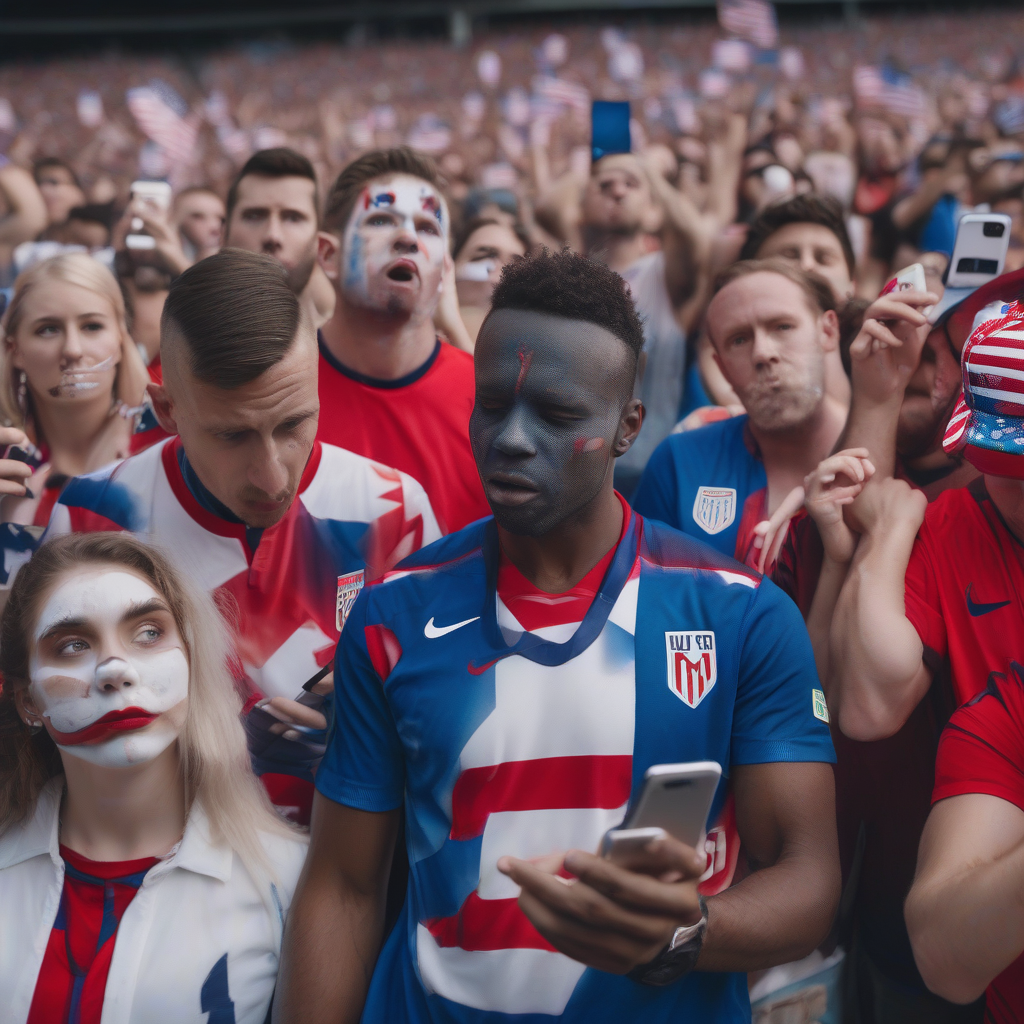
Current listings on major resale sites show “nosebleed” seats for knockout matches starting at $850. For matches featuring the USMNT, those prices double almost instantly. Fans who spent years saving for this moment now find themselves staring at digital checkout screens that demand a month’s salary for ninety minutes of soccer. The frustration is palpable on social media, where the hashtag #PriceOutThePassion has begun trending among American supporter groups like the American Outlaws.
The issue isn’t just the face value of the tickets. The World Cup ticket controversy is compounded by “dynamic pricing” models that see costs fluctuate based on real-time demand. This means every time the USMNT secures a win or a star player like Christian Pulisic makes a highlight-reel play, the cost for the next round jumps by hundreds of dollars. It creates a volatile market where only the wealthiest corporate sponsors and high-net-worth individuals can participate comfortably.
USMNT Success vs. Fan Accessibility
There is a cruel irony in the current situation: the better the USMNT performs, the harder it becomes for their most loyal fans to watch them. The national fervor surrounding the team’s advancement into the knockout stages has created a gold rush for scalpers. For many who have followed the team through the lean years and the qualification heartbreaks, being unable to attend the most important matches in a generation feels like a betrayal.
Industry analysts point out that the USA has a unique sports economy where “event-goers” often outbid “sports fans.” The World Cup has become a status symbol, attracting a demographic that is more interested in the spectacle and the social media check-in than the tactical nuances of the game. This shift in the crowd dynamic is already being felt in the stadiums, where some long-time supporters claim the atmosphere is becoming “sanitized” compared to the raucous environments found in European or South American leagues.
The USMNT players themselves have occasionally hinted at the issue. During post-match interviews, players have expressed a desire for the loudest, most passionate fans to be in the stands to provide a true home-field advantage. When the front rows are filled with corporate executives rather than the chanting supporters who lead the anthems, that advantage begins to erode.
FIFA’s Pricing Strategy and the Resale Market Chaos
While FIFA maintains that they have provided a range of price points, critics argue that the “affordable” options were so limited in quantity that they were essentially a lottery prize. The vast majority of fans in the USA are forced to navigate a secondary market that feels more like the Wild West than a regulated ticketing system. Exorbitant ticket fees and hidden service charges often add another 20% to 30% to the already inflated prices.
- Secondary Market Monopoly: Platforms like Ticketmaster and StubHub are seeing record-breaking traffic, but the lack of a “price cap” on resales has allowed professional scalpers to thrive.
- Corporate Allocations: A significant percentage of knockout round seats are held for FIFA partners and sponsors, further reducing the inventory available to the general public.
- Travel Logistics: Beyond the ticket, the cost of domestic flights and hotels in host cities has tripled, making it nearly impossible for fans to follow the team from city to city.
The 48-team format was intended to bring the world together, but the logistics of hosting such a massive event in a country as large as the United States have added layers of expense. Traveling from a group stage match in Miami to a knockout match in Seattle is a 3,000-mile journey that requires significant financial resources, even before the ticket price is considered.
Navigating Stadium Logistics in Major USA Host Cities
The sheer scale of the USA host cities presents a logistical challenge that adds to the fan’s financial burden. Stadiums like MetLife in New Jersey and AT&T Stadium in Texas are not easily accessible by affordable public transit from all points, forcing fans into expensive rideshare situations or astronomical parking fees. Reports have surfaced of parking spots for the knockout rounds being listed for as much as $200 per vehicle.
For those attending matches in Los Angeles, the transit between “Fan Festivals” and the stadium can take hours. This fragmentation of the World Cup experience means that even “local” fans are spending hundreds of dollars just to get to the gates. The USMNT knockout match costs are becoming a comprehensive financial hurdle that extends far beyond the ticket stub.
Official FIFA Fan Festivals: The Only Affordable Way to Watch?
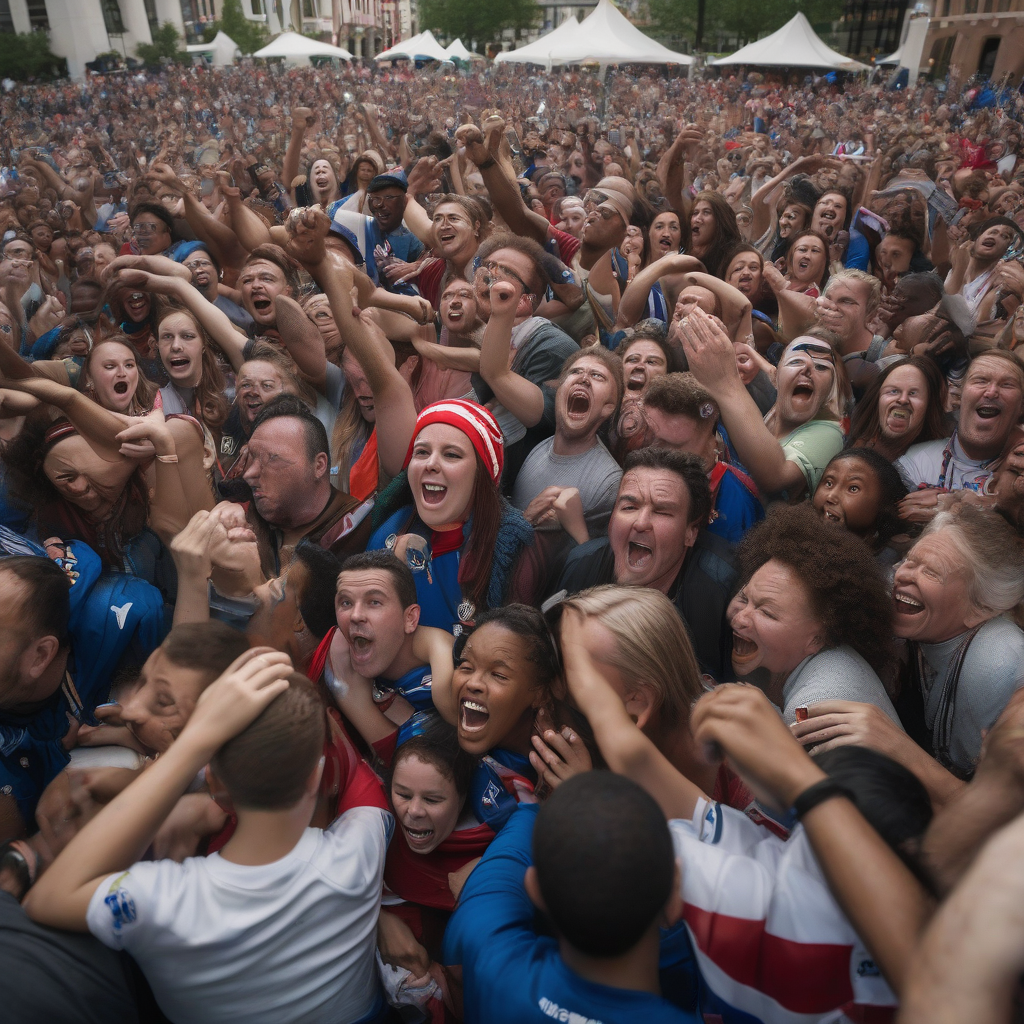
With stadium seats out of reach, many fans are turning to official FIFA Fan Festivals and local watch parties as their only viable option. These venues offer a high-energy atmosphere with giant screens, live music, and a sense of community, often for a fraction of the cost of a stadium ticket. In cities like Chicago, Atlanta, and Kansas City, these gatherings have become the heart of the tournament’s cultural impact.
However, even these fan zones are seeing increased commercialization. While some remain free to the public, others have introduced “VIP zones” and “fast-pass” entries that mimic the tiered system of the stadiums. For the average supporter in the USA, the search for a traditional, grassroots soccer experience is becoming increasingly difficult in the face of such overwhelming corporate interest.
The Cultural Impact: Is the “People’s Game” Losing Its Soul?
The long-term concern for US Soccer is whether this pricing trend will alienate the next generation of fans. The 1994 World Cup was credited with sparking a soccer revolution in America, leading to the creation of MLS and a massive spike in youth participation. That growth was fueled by accessibility. If the 2026 tournament is remembered as an exclusive event for the elite, the “World Cup bounce” for the sport in the USA may be significantly muted.
There is a growing sentiment that soccer in America is being marketed as a premium luxury product rather than a community-based sport. This fan backlash over pricing reflects a deeper anxiety about the direction of the game. If the “Average Joe” can’t afford to take his children to see the national team play on home soil during the biggest tournament on earth, a vital connection between the team and its community is at risk of being severed.
As the USMNT moves deeper into the tournament, the conversation will likely shift from tactical formations to the empty seats in the premium sections—or the sea of fans outside the stadium who simply couldn’t afford to get in. The “USA 2026” legacy will be defined not just by the goals scored on the pitch, but by who was actually in the stands to see them.
Frequently Asked Questions
Why are World Cup knockout tickets so expensive in the USA?
Prices are driven by a combination of high demand, a 48-team expanded format, and the use of dynamic pricing models on secondary resale markets. Additionally, limited inventory due to corporate allocations has pushed prices for the general public to record highs.
Where can I watch the USMNT knockout matches if I can’t afford a ticket?
Matches are broadcast live on Fox and Telemundo. Additionally, FIFA Fan Festivals are located in every host city, and local bars and soccer clubs across the USA are hosting large-scale watch parties that offer a stadium-like atmosphere at a lower cost.
Are there any ways to get cheaper tickets for the Round of 16 or Quarterfinals?
While official “Category 4” tickets are the cheapest, they are mostly sold out. Fans are encouraged to check official FIFA resale platforms regularly, as these are more likely to have regulated prices compared to third-party sites like StubHub or SeatGeek.